This Week's Best Stories About Robotic Floor Vacuums
The Rise of Robotic Floor Vacuums: Transforming Home Cleaning
In the last few years, the landscape of household cleaning has been transformed by the intro of robotic floor vacuums. These self-governing gadgets promise to take the drudgery out of cleaning while ensuring efficient and effective outcomes. As innovation advances, the capabilities of these makers continue to progress, raising concerns about their functionality, effectiveness, and future in home care. This short article explores the different elements of robotic floor vacuums, from their functionalities and benefits to their limitations and maintenance requirements.
What Are Robotic Floor Vacuums?
Robotic floor vacuums, often referred to as “robot vacuums,” are automated cleaning devices created to navigate and clean floors without human intervention. Geared up with sensors, brushes, and suction systems, they can traverse different surface areas such as wood, tiles, and carpets. Their primary function is to get dust, particles, and pet hair, using a convenient alternative to conventional vacuum.
Key Features of Robotic Floor Vacuums
- Autonomous Navigation: Most robotic vacuums can browse around furniture and challenges utilizing sensors, developing a mapping system for efficient cleaning.
- Scheduling: Many models enable users to schedule cleaning sessions at hassle-free times, offering a hands-off approach to maintaining tidy floors.
- Smart Connectivity: Advanced robotic vacuums can link to Wi-Fi and be controlled by means of smartphone applications or smart home devices like Amazon Alexa and Google Assistant.
- Multi-Surface Cleaning: These machines can successfully clean various types of flooring, changing suction power and brush settings appropriately.
- Self-Charging: Most robotic vacuums are geared up with self-docking abilities, returning to their charging station instantly when the battery is low.
Advantages of Using Robotic Floor Vacuums
Robotic floor vacuums bring numerous benefits to households, transforming how individuals approach cleaning regimens:
- Time-Saving: Their autonomous operation permits users to take part in other activities while the vacuum cleans up, efficiently multitasking.
- Consistency: Robot vacuums can clean floorings frequently, minimizing the buildup of dirt, dust, and irritants.
- Efficiency: Many models use sophisticated mapping technology, guaranteeing they cover every location of a space without missing out on areas.
- Benefit: Robotic vacuums are especially helpful for people with movement concerns, permitting them to keep a clean home with minimal effort.
How Robotic Vacuums Work
Robotic floor vacuums run utilizing several crucial parts and technologies:
Component
Performance
Sensors
Identify obstacles and stairs to browse safely
Suction Motor
Creates airflow to pick up dirt and particles
Brushes
Agitate and collect particles, typically including side brushes for edges
Battery
Offers power for operation, usually rechargeable
Processor
Controls navigation and cleaning courses using sophisticated algorithms
The Limitations of Robotic Floor Vacuums
Despite their benefits, robotic floor vacuums also have some limitations:
- Cost: High-quality models can be expensive, possibly preventing budget-conscious consumers.
- Battery Life: While self-docking abilities exist, battery life might limit the location a robot can clean in one session, especially in bigger homes.
- Maintenance: Regular maintenance, consisting of clearing bins and cleaning brushes, is required to ensure ideal efficiency.
- Not a Complete Replacement: While robotic vacuums excel at regular upkeep, they may not totally change deep cleaning performed by traditional vacuums.
Choosing the Right Robotic Vacuum
When choosing a robotic floor vacuum, numerous factors must be thought about:
- Size of Home: Larger homes might gain from designs that can cover more location or provide multi-room mapping.
- Floor Type: Depending on the surface key ins a home, customers need to choose vacuums developed for specific products, especially if there are rug or thick carpets.
- Family pets: Pet owners ought to go with vacuums with strong suction and specialized animal hair elimination functions.
- Smart Features: Consider whether sophisticated functions such as app control and combination with smart home systems are important.
Popular Robotic Vacuum Brands
Brand
Unique Features
iRobot Roomba
Known for its advanced navigation innovation and reputable efficiency.
Neato Robotics
Functions D-shaped style for corner cleaning and boosted mapping.
Ecovacs
Offers two-in-one vacuum and mop functionality.
Roborock
Praised for high suction power and advanced smart features.
Shark IQ
Efficient self-emptying base and strong cleaning efficiency.
Maintenance Tips for Robotic Floor Vacuums
To guarantee the durability and effectiveness of robotic vacuums, it's essential to carry out routine maintenance:
- Empty the Dust Bin: Regularly empty the vacuum's dustbin to preserve ideal suction power.
- Tidy Roller Brushes: Remove hair and debris from roller brushes to avoid blockage.
- Examine Sensors: Wipe sensing units to guarantee they stay unobstructed for accurate navigation.
- Software application Updates: Check for and set up firmware or software updates to improve efficiency and security.
FAQs About Robotic Floor Vacuums
Q: Can robotic floor vacuums clean stairs? Louise Voorhis : Most robotic vacuums are not designed to clean stairs due to their size and lack of stability on edges. They generally can only clean up flat surfaces. Q: How frequently need to I run my robotic
**vacuum?A: It's recommended to run your robotic vacuum a minimum of once a week for ideal dust and allergen management. In homes with family pets or heavy foot traffic, day-to-day cleaning might be advantageous. Q: How do robotic vacuums deal with carpet cleaning?A: Robotic vacuums can change their suction
and brush settings based on the kind of floor found, allowing them to tidy carpets effectively. Q: Are robotic vacuums worth the investment?A: For numerous homeowners, robotic vacuums provide substantial convenience and time cost savings, making them a
worthwhile investment, especially in hectic households. Q: Do robotic vacuums work well with family pet hair?A: Yes, lots of robotic vacuums are particularly designed to manage family pet hair, including powerful suction and specialized brushes.
Robotic floor vacuums represent a considerable innovation in the field of home cleaning, providing an efficient and convenient solution for hectic lifestyles. With their ability to browse autonomously, use scheduling functions, and link to smart home devices, they continue to gain appeal. However, prospective purchasers must carefully consider their needs and the constraints of robotic vacuums to make educated choices that match their cleaning requirements. As technology develops, the future of robotic vacuum is undoubtedly intense, promising even more innovative solutions to home cleaning obstacles. 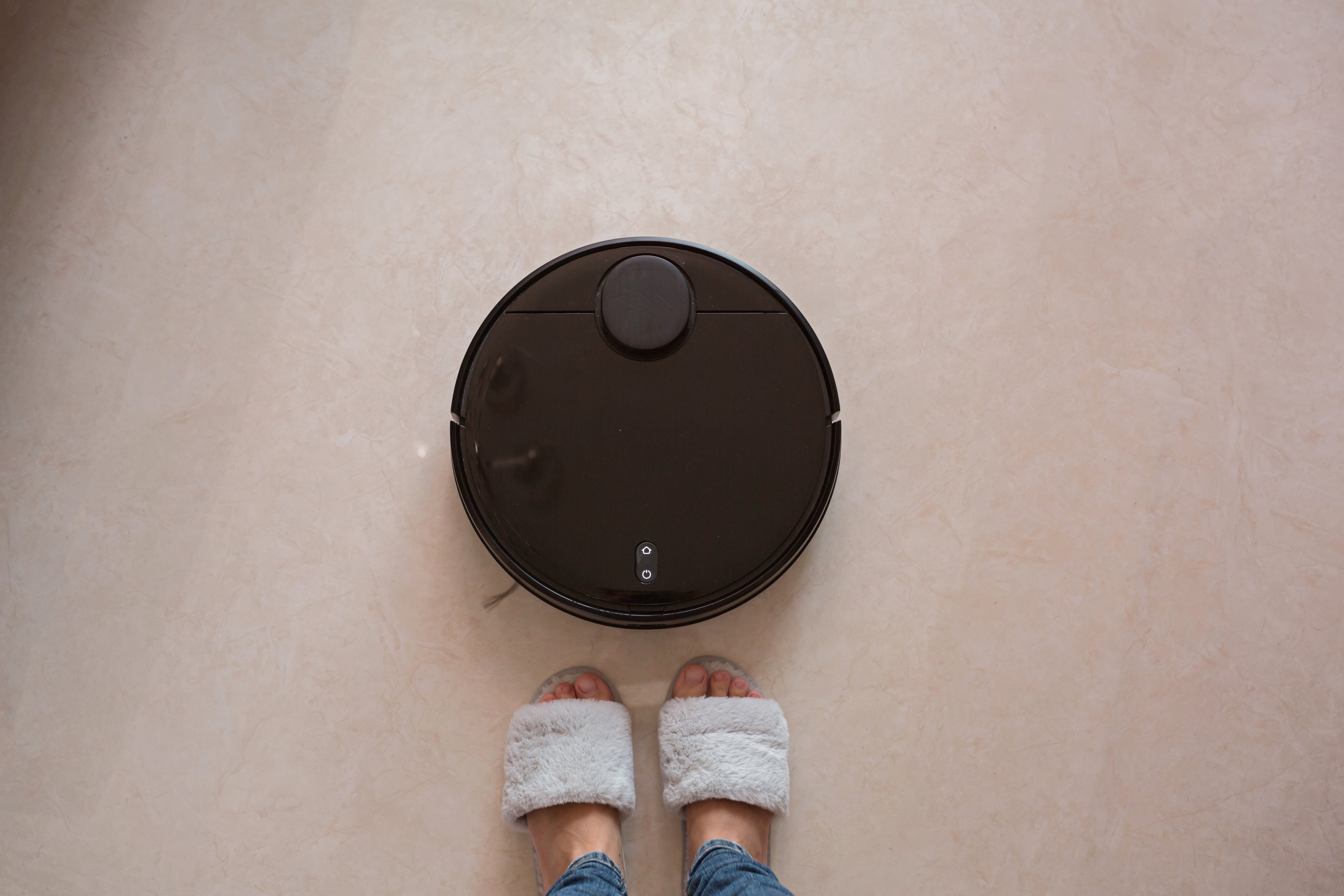 **
**